Building the Foundation: Introducing the Europe Feedback & Mentoring Team

There has never been a better time to be a judge in Flesh and Blood. The game is growing, Organized Play is expanding, and the demand for qualified judges at events of all sizes is higher than ever. That growth creates an opportunity and a responsibility.

To support that momentum, the Judge Program has established regional Feedback & Mentoring teams across all three georegions: the Americas, led by Agustin Garzino; APAC, led by James Medland; and Europe, which this article is about. Each team operates independently, shaped by its region’s culture and needs, while sharing a common purpose: building a stronger, more supported path toward L2 and beyond.

This article is an introduction to the Europe team: who we are, what we are here to do, and what you can expect from us over the course of 2026.

Why This Team Exists

The judge program’s ability to support Organized Play depends directly on the number of qualified judges available, particularly at the L2 level. L2 judges are the backbone of local competitive play. They can head judge a PQ, mentor newer judges, and create the kind of environment that makes events worth attending.

Europe currently has room to grow significantly in this area. Not because the talent is not there, but because the path to L2 is not always visible, the support structures are not always in place, and the role itself is sometimes misunderstood.

That is the problem this team exists to address.

A dedicated article on what L2 actually requires is coming separately. The short version: the bar is more accessible than many judges think. If you are already head judging a ProQuest or a Road to Nationals, you are already doing the job of an L2. The certification should reflect the work you are already doing. Our goal is partly to make that reality clearer, and largely to build the structures that help motivated judges make it official.

The Europe Team

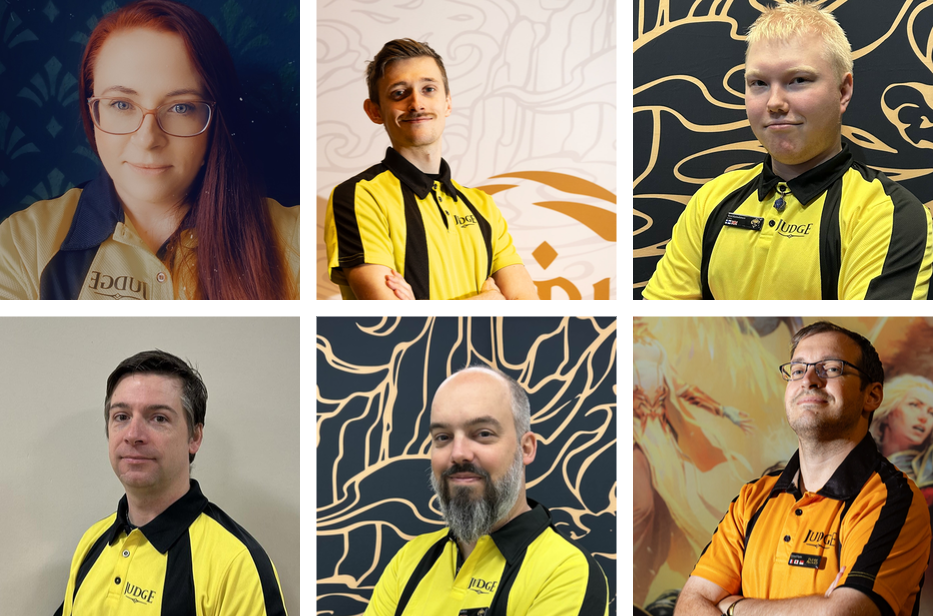
Emilien Wild, Mentor Team

I am Émilien Wild (Belgium, FR/EN), leading the Europe team. I have been judging TCGs since 2008 and have held program leadership roles since 2013, including as former Policy Lead for FAB. My focus is on building systems, supporting people’s growth, and making sure good ideas become real ones.

Europe Mentor Team

Bianka “Pheli” Brenneke (Germany, DE/EN) brings a deeply personal understanding of mentoring. She has been actively mentoring L1 judges in her local community and is focused on building frameworks that make mentoring sustainable, structured, and meaningful without turning it into a burden.

Linus Hossfeld (Germany, DE/EN) is passionate about growing local communities and making the judge program visible and attractive at the grassroots level. He is working on content that puts a human face on the L2 journey and helps aspiring judges see themselves in it.

Veeti Kainulainen (Finland, FI/EN/SWE) has built connections across local and international communities. He is focused on supporting L2 candidates’ confidence and giving mentors practical tools to support their mentees’ development.

Renzo Schietgat (Belgium, NL/EN/FR) combines his background as a teacher with his experience as both player and judge. He is working on practical mentoring guides covering how to give feedback, how to support candidates, and how to listen effectively.

Robbert Valkeneers (Belgium, EN/NL/FR) brings seven years of professional experience as a team lead and scrum master. He is focused on publishing mentor-mentee success stories and developing structured mentoring workshops and roleplay sessions.

Gérard Trpin (France, too many languages to list) focuses on the practical side of the Mentor tournament role: helping with logistics, collecting feedback, and supporting the iteration process as the role develops on the ground at events.

What We Are Working On

Our work in 2026 falls into a few broad areas.

  • Mentoring structures. We are building frameworks that make it easier for L2s to register as mentors, with clear but minimal expectations and practical support materials. The goal is not to mandate mentoring, but to make it easy for those who want to do it.
  • Visibility and identity. A judge considering L2 should be able to find stories from people who have made that journey, understand what the role actually means in practice, and feel that the path is realistic for someone like them. We are creating content to support that.
  • Practical incentives. We are in discussion about how to make mentoring at PQs and Road to Nationals events more appealing and sustainable for the L2s who take that role seriously.
  • On-event support. We are developing resources around multi-judge events: how they work, what each role involves, and how to make them good learning environments for newer judges.
  • Workshops and sessions. Roleplay-based mentoring workshops and structured L2 sessions at Callings are in development, with the intent of making them reusable and scalable across events.

These are not announcements of finished products. They are active workstreams, most of them in early stages. We are a volunteer team operating with realistic timelines, and we would rather tell you what we are building than overpromise on delivery dates.

One last point, and it matters: this is a program-wide effort. The scale of what we are trying to accomplish cannot be carried by one team, or even three. It will take the collective weight of the judge community behind it. If you are reading this, your contribution will likely be needed at some point: participating in interviews or seminars, training judges in your local area, writing recommendation letters, presenting at conferences, or simply having honest conversations with judges around you about why L2 is within their reach and worth pursuing. The goal ahead of us is one of the most ambitious this program has set for itself. It is achievable, but only if we move together.

What This Means For You

The work we are doing this year is not happening in a vacuum. It is a direct response to where Flesh and Blood Organized Play is heading, and judges at every level should understand what is coming.

ProQuests and Road to Nationals will require an L2 Head Judge. This is the direction the program is moving in, and the goal is clear: when that requirement becomes official, no community should have to cancel a tournament because they cannot find a qualified Head Judge. That outcome is avoidable, but only if we build the pipeline now. If you are already running these events, the gap between what you are doing and what the certification requires is likely smaller than you think.

Battlegrounds are coming, and they raise the bar locally. These events require L2 Head Judges, and ideally Floor Judges of the same level. That concentrates demand in local communities that may not yet have the depth to staff these events comfortably. Growing the L2 pool at the local level is not just a program priority: it is what will make these events possible in your region.

36 Callings are scheduled in 2026, and L2 is required to work them. That is a significant number of events drawing from the same pool of qualified judges. Without a larger and healthier L2 base, the risk of burnout is real, and the ability to rotate judges through events in a sustainable way becomes increasingly difficult. Building that base is one of the central reasons this team exists.

The common thread across all three is timing. These are not distant concerns. The work we are doing now is designed so that when each of these milestones arrives, the infrastructure is already in place.

  • If you are an L1 in Europe wondering whether L2 is within reach: we are building resources specifically for you, and more visibility on what the path looks like is coming.
  • If you are an L2 who mentors informally or would like to: we are building structures to support and recognize that work, and we want to hear from you.
  • If you are a Head Judge, TO, or senior judge who works with newer judges regularly: our work will touch yours. We will be reaching out, and your perspective matters.

This is not a team working in isolation. The projects we are running involve the Content team, the Conference team, LSS, and Tournament Organizers. If you have questions, feedback, or ideas, the door is open.

More to come throughout the year.

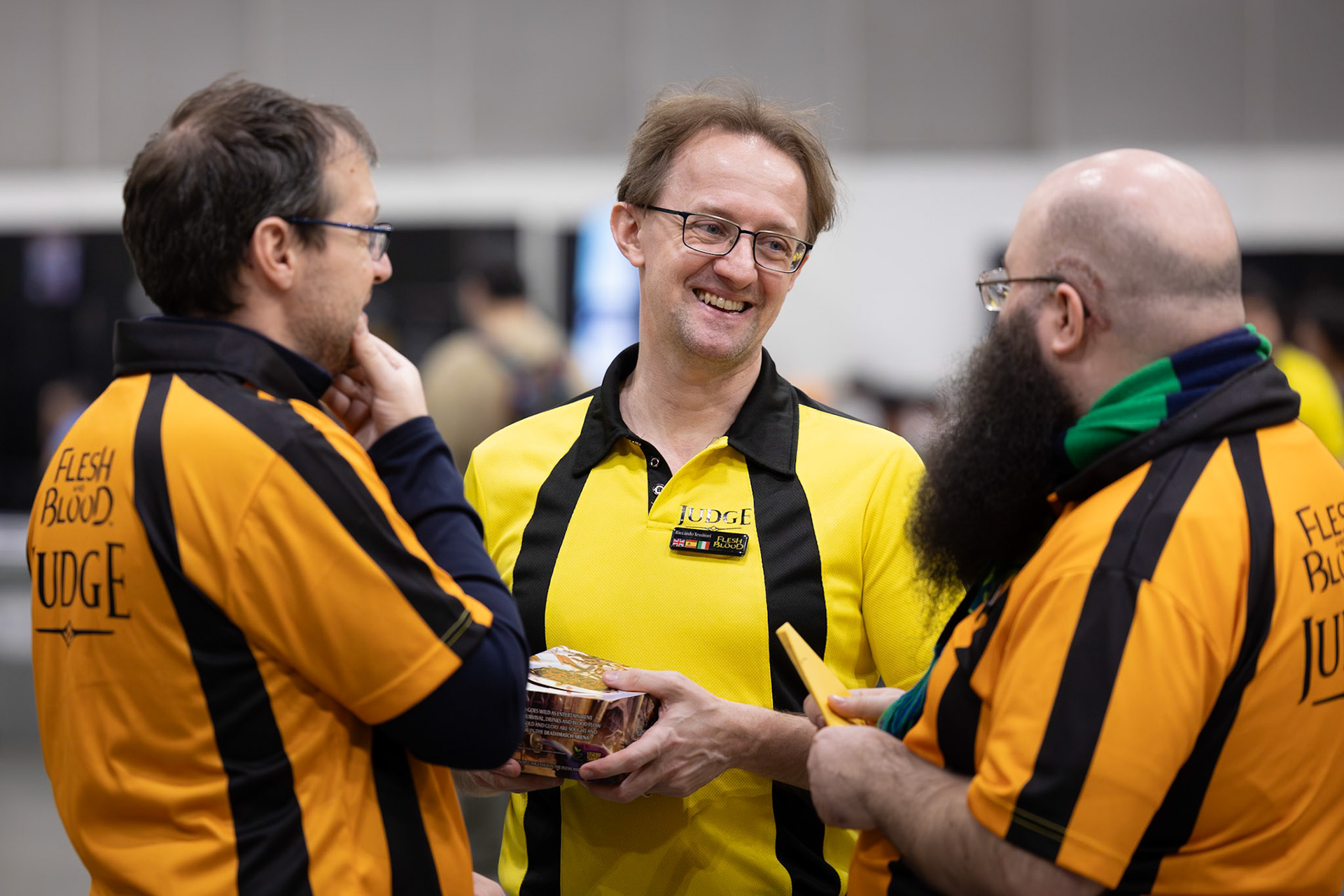
Featured photo by John Brian McCarthy at Judges at Work

Author

Laisser un commentaire

Votre adresse e-mail ne sera pas publiée. Les champs obligatoires sont indiqués avec *

Ce site utilise Akismet pour réduire les indésirables. En savoir plus sur la façon dont les données de vos commentaires sont traitées.

fr_FRFrench