I’m writing this as the Europe Lead for the Mentoring & Feedback Team, with direct, recent experience of the Mentor role, and after consulting various invested parties. I served as a Mentor during 2025 test events (including GenCon). I will be one of the first Mentors on the 2026 schedule (World Tour London). I also worked closely with early 2026 Mentors (Gérard and Jon at World Tour Columbus) to compare notes, align expectations, and capture what seems to work in practice.
We are publishing this as the official starting point for the experimentation phase of the Mentor role. It reflects what we have learned from early implementations and the current guidance for how the role should function at World Tours.
Because this is an experimentation phase, aligned with the launch of the new mentoring structure, this guidance is meant to provide staff and Mentors with a shared baseline for expectations and best practices. We fully expect it to evolve as we gather feedback, explore different applications of the role, and refine what “good” looks like in practice. Updated guidance may be issued as we learn from additional events.
Until that refinement happens, treat this document as the reference baseline. If you believe a specific situation calls for deviating from it, start by discussing it between the Mentor, the event leadership, and the Mentoring and Feedback team so we can align on intent and avoid accidental mismatches.
Why the Mentor Role Exists
The 2026–2027 Organized Play landscape creates a scaling problem: the program needs more people ready for higher responsibility (TLCs, Oranges, experienced Floor Judges stepping up) faster, without lowering standards or burning people out.
Mentors exist to increase how much growth judges take away from a World Tour weekend. The role is designed around a simple idea: World Tours are a rare concentration of experience, complexity, and strong leadership. If we treat them only as “a weekend of work,” we lose a major development opportunity. If we treat them as “work plus deliberate coaching,” we accelerate the whole pipeline.
Mentors do not replace the mentoring expected from Head Judges, Team Leads, Support Judges, and experienced Floor Judges. They complement it, and a good Mentor results in other people mentoring more, not less. The Mentor is there to create more coaching moments, more structured feedback loops, and clearer development plans than what the pace of a normal weekend often allows.
What the Mentor is (and is not)
Mentor is a paid Judge Lead position (compensated as a lead day).
Mentors are not part of the event chain of command
They report directly to the Tournament Organizer and the Mentoring and Feedback project leads.
They cooperate with the Head Judge and Side Leads before, during, and after the event.
This “outside the chain” design is deliberate: it keeps the role focused on development rather than operational ownership. Mentors can observe across areas, compare practices, and support multiple leaders without becoming another operational bottleneck.
Mentors are not:
Support Judges
Team Leads
PM Leads
A substitute leader “to plug into operational holes”
An “Orange shirt retirement home”
Mentors are:
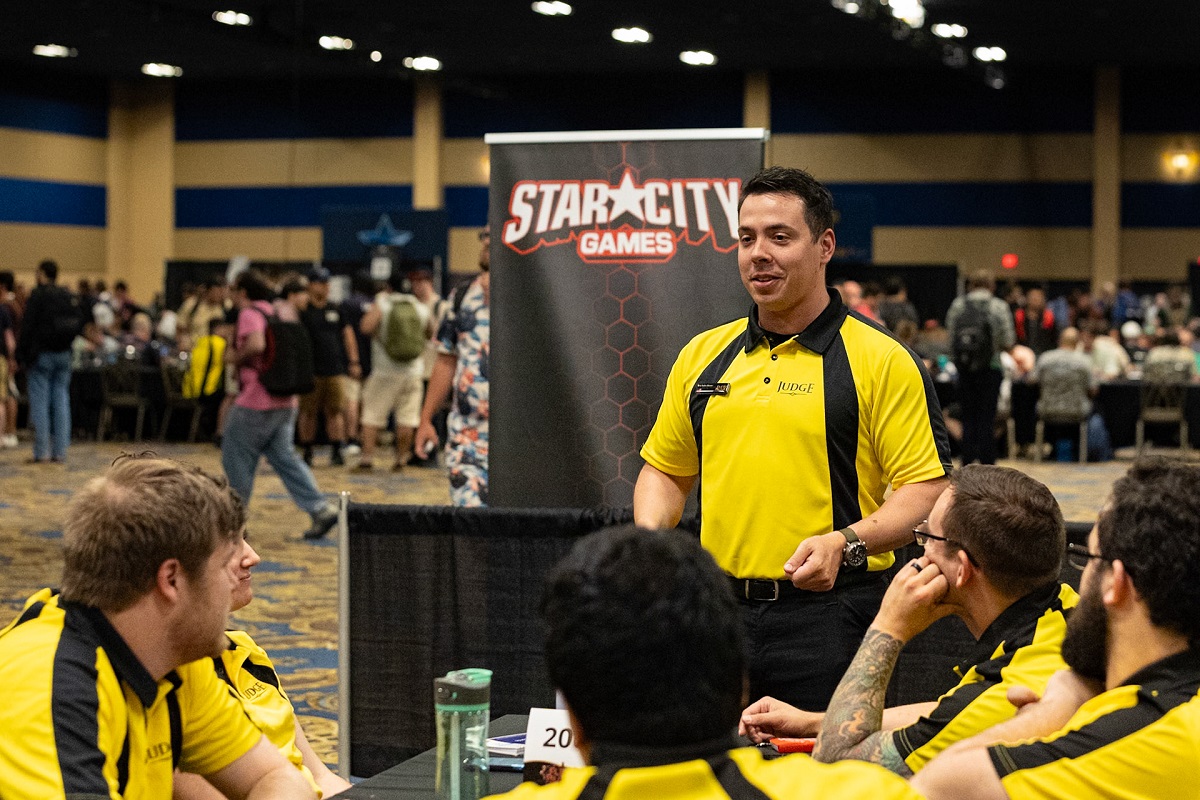
On the floor with the rest of the judge team, and most of the time wearing yellow and taking calls as needed. Depending on the event’s needs, they may occasionally adjust how visible they are or where they position themselves, as long as their primary focus remains mentoring, shadowing, and coaching rather than operational leadership. They are encouraged to discuss this with the Head Judge, but how they position and present themselves in the moment remains the Mentor’s call.
Primarily focused on shadowing and coaching, and on helping judges leave the weekend with a concrete development plan they can execute over the next 3–6 months.
Selection and Eligibility
Judges cannot apply for Mentor. Mentors are selected directly by the TO with recommendations of the Mentoring and Feedback project leads, based on event needs and availability.
In practice:
For the initial rollout, we expect Mentors to mostly come from the pool of current Calling Head Judges / Support Judges and other highly experienced judges, simply because they already have the event context, leadership experience, and mentoring track record needed to pilot a brand-new role smoothly. As we learn from events and refine what the role needs in practice, the profile of who is selected can evolve over time to better match the needs of the project and the program.
There is no formal minimum judge level beyond what specific event leadership roles require. A higher level however increases drastically chances of being selected as a Mentor.
There is no set “once per season” limit. Because the pool is limited, repeats will happen.
If someone is interested in becoming a Mentor in the future, the path is not a certification. It’s building a track record: progressing in leadership positions, demonstrating consistent mentoring impact, and contributing to healthy local and event communities. An interest form will be made available in order to limit our blind spots on judges motivated by the role.
How the Mentor Spends Their Time
The role is primarily “event-days work,” but it includes time outside the show: pre-event meetings and post-event written feedback. Budgeting roughly a dozen hours outside the show is reasonable.
On an average day, the split might look like:
Normal floor judging: 20%
Shadowing and debriefing: 65%
Writing notes/reviews: 10%
Meetings: 5%
This varies with the actual flow of the event and personal styles of mentoring.
Mentors should be integrated into lead meetings before and during the event when available. This keeps them aligned with the event’s priorities, gives them context for what leaders are trying to build, and helps them evaluate how judges implement those expectations in practice.
Who Mentors Focus On (and Why)
Saturday: Floor Judges (Calling and Side Events)
Target: around half a dozen judges
Sunday: Showdown Leadership
Target: the Showdown Head Judge and Team Leads
Target: around 3–4 people
This split is intentional. Saturday gives the largest surface area for growth: call handling, communication habits, consistency, and the ability to operate under pace. Sunday focuses on leadership behaviours: briefing, delegation, floor coverage decisions, tone-setting, and how teams are developed in real time.
Being on the Showdown is not a promise, a reward, or a guarantee of future certification. It is an additional opportunity to practice the skills that matter for higher roles.
How Feedback Works: Outcome over Optics
The goal is not “a nice conversation.” The goal is that people leave with a plan. These baselines can be adjusted based on personal mentoring styles and the specific needs of the event’s staff.
A strong outcome an look like:
At least 6 judges feel they received personalized coaching
They leave with a clear plan for the next 3–6 months (goals, specific behaviours to practice, and what to seek in future events)
Most of them are motivated to attempt a relevant next step (L2, TLC, HJ, or another concrete development target) in that window, with realistic adjustments that increase their odds of success
Mentor feedback is for the judge and the judge alone.
It is not part of future selections or certifications.
It can indirectly improve a judge’s chances if it drives real improvement and better performance later.
Review timing expectation:
Written reviews should be entered in JudgeHub within 7 days after the event
A sit-down during the weekend can replace or complement the written review, depending on what is most useful
Any judge can request a review, but they should be requested before the event. Not during the show, and not afterwards. A review is the end product of an observation and coaching process; Mentors need to know early so they can plan what to observe and when.
How to Work With the Mentor (for Floor Judges)
If you want to get real value from the role:
Ask before the event:
It lets the Mentor plan deliberate observation. A useful review requires seeing you in multiple situations (different types of calls, different phases of the day, different stress levels), not one random snapshot.
It prevents “drive-by feedback.” When the request is known early, the Mentor can schedule a real loop: observe → debrief → see you apply it again. That is how you get coaching rather than commentary.
It avoids disrupting event flow. Mid-event requests create pressure to carve time out of peak operational moments, which either harms staffing or results in rushed, low-quality mentoring.
It helps allocate limited capacity fairly. Mentors can only focus on a limited number of people per day; early requests let them balance focus targets and avoid accidental first-come-first-served bias caused by who happens to bump into them.
It aligns expectations and goals. Before the event, you can clarify what you want feedback on and what “success” looks like for you; during the event, there is often not enough calm time to set that context properly.
be ready to articulate your goals and your current roadblocks
treat shadowing as normal: handle calls exactly the way you always should
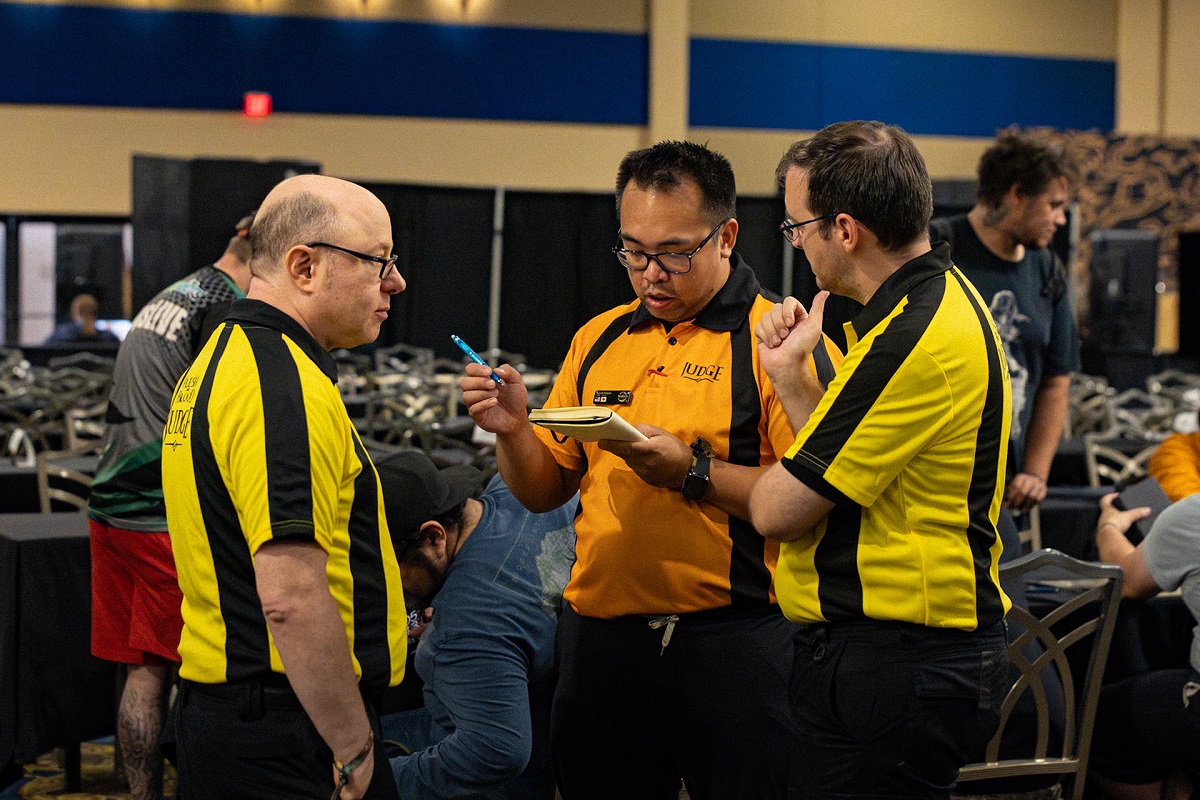
expect quick micro-debriefs when time allows, and deeper debriefs at calmer moments
follow through on the development plan you and the Mentor agree on (what you will practice, what you will change, and what you will target in the next 3–6 months). That plan is where most of the long-term value comes from.
If the Mentor is nearby and lets another judge take the call, it is usually intentional:
The Mentor is creating a shadowing opportunity
You get to take the call, and they can coach on it afterwards
How to Work With the Mentor (for Team Leads / Head Judges)
Mentors are strictly advisory.
They do not direct teams.
They do not “field promote” someone into leadership for operational needs.
They cannot be field promoted themselves.
They do not give instructions that override the Head Judge or the Team Leads.
That separation is deliberate: it protects the event’s chain of command and keeps the Mentor focused on coaching rather than operational authority.
Practical best practices for integrating them:
Share your mentoring plan early (who you’re watching, what behaviours you want encouraged, what standards matter this weekend)
Use the Mentor as a second opinion on feedback when useful, while keeping ownership of your own reviews and mentoring responsibilities
If you want their input on a live decision, ask directly and explicitly; otherwise keep it as post-mortem feedback
If a Team Lead and a Mentor disagree on mentoring approach:
The event leadership (Pro Tour, Calling, Showdown Head Judges, Side Events Leads) sets the tone for the event
Team Leads are encouraged to listen seriously to the Mentor’s experience, but take direction only from the Head Judge
Scope Boundaries in Practice: "In a Crunch" Rules of Thumb
It will be tempting to use a Mentor as a firefighter. That is usually a misuse of the resource, because it trades long-term capability building for short-term comfort.
In a crunch:
Mentors can floor judge.
Mentors can provide advice and second opinions, including on live situations.
The person in charge of solving the problem should be another judge.
Mentors should not be assigned tasks that pull them away from mentoring (break coverage tasks, admin tasks, “go run that area for a round”) because it removes growth opportunities from the rest of the staff.
Mentors should not step into ad hoc leadership roles, even temporarily.
Visibility, Feedback and how the Role will Evolve
Mentors are denoted on the schedule. There is no special visual identifier beyond that, and neither staff nor players should be in a hurry to find them for operational needs.
Feedback on the role should use the usual channels, in this order:
First: a direct conversation with the Mentor themselves
During the event (if it needs escalation): TL to HJ to TO
After the event: Community Managers and Mentoring and Feedback project team.
This role will change over time. Treat this as a baseline, then improve it based on what works in practice.
Good Practices
A Mentor is most effective when they behave like a coach rather than a celebrity expert:
clarity of intent: “I am here to help you improve, not to evaluate you for selection”
short feedback loops: observe, debrief, apply again, repeat
actionable feedback: specific behaviour, impact, and a concrete alternative to try next time
psychological safety: make it easy for judges to admit uncertainty and ask for help early
sustainable goal-setting: plans that can realistically be executed over 3–6 months, not heroic reinventions
If the role produces more mentoring by the whole staff, clearer development plans, and better-prepared leaders, then it is doing its job.
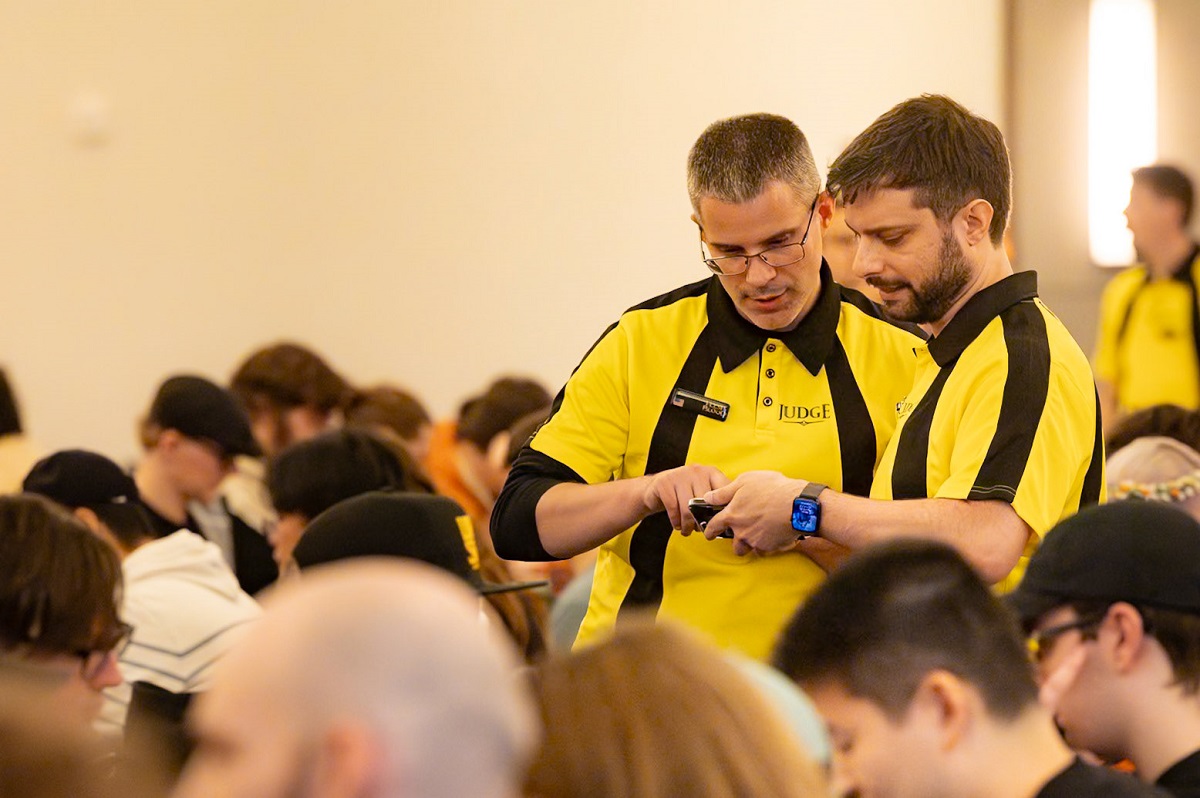
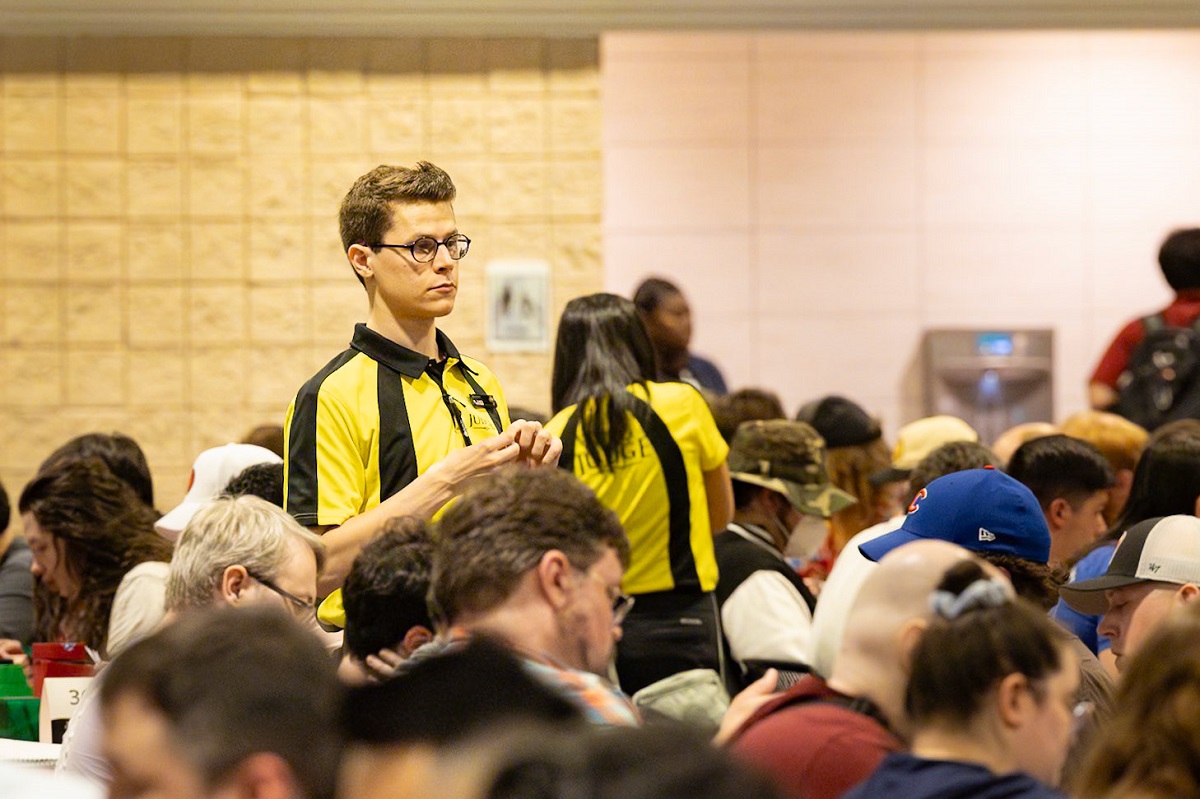
Featured photo and photos in article taken by John Brian McCarthy at Judges at Work.



 Italian
  English
  Japanese
  German
  Korean
  French
  Spanish
  Chinese
  Portuguese