Tier 2 events like ProQuests and Road to Nationals are the foundation of competitive Flesh and Blood. They act as important first steps towards higher level play for both players and judges alike.
I’ve judged more than 25 local Tier 2 events and feel pretty comfortable when I walk into a store to judge. However, when I first started judging FAB events, I had no judge experience and no one around to show me the ropes. I made mistakes (learning opportunities!). Over time, I put together a checklist that I still use to this day.
This article aims to modify that checklist to help others prepare for these events. It is geared towards solo or Head Judging a Tier 2 event but much of the advice will apply to Floor Judges as well. As a judge, you are a crucial factor in setting the tone of any event. Being organized and professional will help ensure a smooth event and happy players.
Days/Weeks Before the Event
Well ahead of the event, you should:
Negotiate compensation with your TO. Judge gifts provided by LSS are not compensation. You should work out something fair with your TO.
Ensure you are prepared to perform deck checks in GEM. Online decklist submission is the preferred method at all official events. Make sure the event is set up to require decklists and that you know how to review decklists in the system.
If the event includes a draft, review drafting procedure and have a plan for handling logistics.
Preload important documents on your phone. In case cell service is spotty, make sure you can still access the CR, TRP and PPG.
Brush up on the current meta and recent rule changes.
Pre-event communication. Check with your TO to see if there are any special considerations they require. Communicate with your FJ (if applicable) to let them know your expectations and answer any questions they may have.
Things to Bring
I like to lay everything out the night before. It gets me prepared and helps to visually check I have all the things I need.
Cracked Baubles and a marker to write on them. For issuing proxies.
Post-it notes or small slips of paper. To leave time extensions at tables after judge calls.
Notepad and pens. You’ll need these to record notes, rulings, and other information.
Water bottle and snacks. It’s important to take care of yourself since it can be a long day.
Loaner dice, pens, scrap paper. Optional, but a nice touch that can help players and the TO.
You’ll be on your feet for much of the day so dress comfortably but professionally. You can wear a yellow judge polo if you have one but it’s not required. If you have any questions about how you should dress, check with your TO.
When You Arrive
Get there 30-45 minutes early to make sure everything is in order. If space allows, it’s nice to set up a “Judge Table” where you can store your things, issue proxies, be available for questions and perform deck checks.
Check cell service. If cell service is weak, plan how you’ll access GEM and rules documents.
Confirm table numbers are set up. Since you are on a strict schedule, you don’t want players wandering around trying to find their opponents.
Ensure the TO has added you as the Head Judge in GEM. If you have a Floor Judge, make sure they have permissions as well.
Make sure the TO has a plan for adding players into GEM. Some TOs post the code for everyone to add themselves, other TOs want to manually add players as they pay for entry. Just make sure there’s a plan so you can inform players if they ask.
Coordinate with the TO on how pairings and the round timer will be displayed. If the store doesn’t have a TV to display this information, make sure you clearly announce the actual round end time when you start each round.
Check if the TO wants to make any announcements of their own before you do yours. Some TOs may want to welcome players or reiterate store rules before the event begins.
Assist players with decklist submissions if needed. Make an announcement 10-15 minutes before the event starts reminding players to submit their decklists in GEM and to let you know if they have any issues.
Remind players that they should see you if they have any altered cards or believe their deck might require proxies. You can incorporate this into the announcement from the point above.
Get a final player count and determine the number of rounds. You’ll need this information for the Head Judge Announcements.
If time allows, you can scroll through the decklist page in GEM to quickly see any missing lists or lists with errors and let players know so they can sort it out before the event starts. This is not required but can help prevent players from being penalized for technical mistakes.
Head Judge Announcements
Before you begin, you will want the players’ full attention. Make sure there are no side conversations going on and that everyone is within earshot. Keep your remarks short, clear, and confident.
Below is an outline of my personal baseline announcements. Tailor this list to your own preferences and the needs of your players. You can even change it between events to include any common issues that your players have been having or significant rule changes that may be pertinent.
Introduce the TO, yourself, and any Floor Judges.
Number of players and rounds.
Rules Enforcement Level (REL) and a brief description of what that means. I like to simply say, “This means takebacks may be limited and some infractions may come with penalties”.
Remind players that:
Decklists must be submitted in GEM.
There will be deck checks.
Life totals must be written down.
Explain to players how to call a judge. If there are less experienced players, encourage them to call for a judge liberally. Remind them they should be calling a judge to resolve issues and not working things out themselves.
Give players a chance to ask any final questions they may have.
Prepare your announcements in advance, practice beforehand and use notes if necessary. The Head Judge Announcements go a long way towards setting the tone for the event.
During the Event
Judging local events can be a roller coaster. Sometimes you will be pulled in ten directions at once and other times you will have long stretches of minimal activity.
When you’re busy, remember to stay composed. If you’re frantic, players will be frantic too. Prioritize what’s important and work to provide good customer service to your players.
When things are slow, get off your feet while you can. Sit and watch a game or find an area where you can see the floor while taking a quick break. Self care is important. Make sure you stay hydrated and fed throughout the day.
Walk the floor. You will spend most of your time on the floor. Watch games and step in when necessary. Keep an eye out for policy issues like illegal alters or incorrect play space setups.
Perform deck checks. Remember that the most important part about deck checks is that you are seen doing deck checks. They should not interfere with your other judge duties. Your goal is to perform checks on about 10% of the field. Deck check players after they present at the start of rounds. Checks between rounds or leading into the Top 8 are generally unnecessary.
When you’re called to a table, check the time so you can leave a time extension slip. After the call, write down the round number, table number and time extension and leave it at the table. If there is more than one judge, sign or initial the slip. Extensions should only be given on calls lasting more than a minute and should be rounded up to the nearest whole minute.
Take notes on judge calls for discussion or review after the event. Every judging opportunity is also a learning experience. Take notes to make the most of it.
Take photos or notes if you or the TO want to share on socials. I like posting hero breakdowns plus some full room and Top 8 photos to our local discord.
Start round timers once players are in their seats. You or the TO should start the timer. Make an announcement to players once time has begun.
Call time at the end of rounds and be ready to enforce End of Round procedures at tables still playing.
Help the TO accept results and pair rounds in GEM.
Cut to Top 8. You or the TO should announce the Top 8 players. If there are any raffles or handouts, this is a good time to do it so players who did not make the cut can leave if they wish. I like to gather the Top 8 for a photo and then a quick (10-20 minute) break. Before they begin playing, I remind them that the higher seed will determine who goes first, rounds are untimed but slowplay is still enforced and then instruct them briefly on the rules regarding concessions.
Ensure kit prizing is distributed correctly per LSS guidelines.
Check with the TO after the event to give/receive constructive feedback. Talk about what things went right and what things can be improved for the next event. Note that this goes both ways. Let the TO know if there’s anything they can improve on as well.
Debrief with your fellow judges, if any. Similar to the above. Also take the opportunity to talk about any interesting calls or learning experiences.
Closing Thoughts
Local judging can be highly rewarding. Well run competitive events are an opportunity for community growth and for players to put their skills to the test. Judges are in a unique position to ensure that everyone has the best experience possible.
Don’t fret if it is daunting or if everything isn’t perfect. Aim to make the event exciting for your players, smooth for your TO and educational for yourself. The rest will come with experience.
See you on the floor.
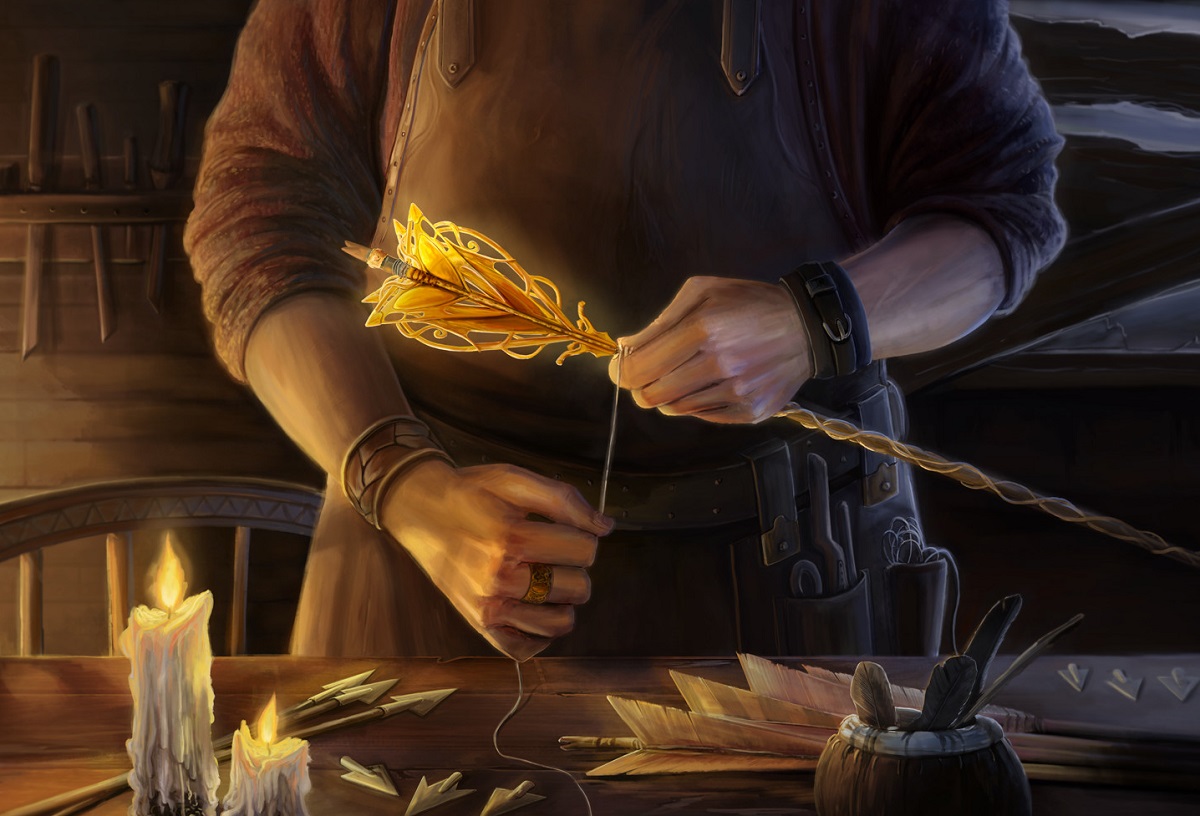
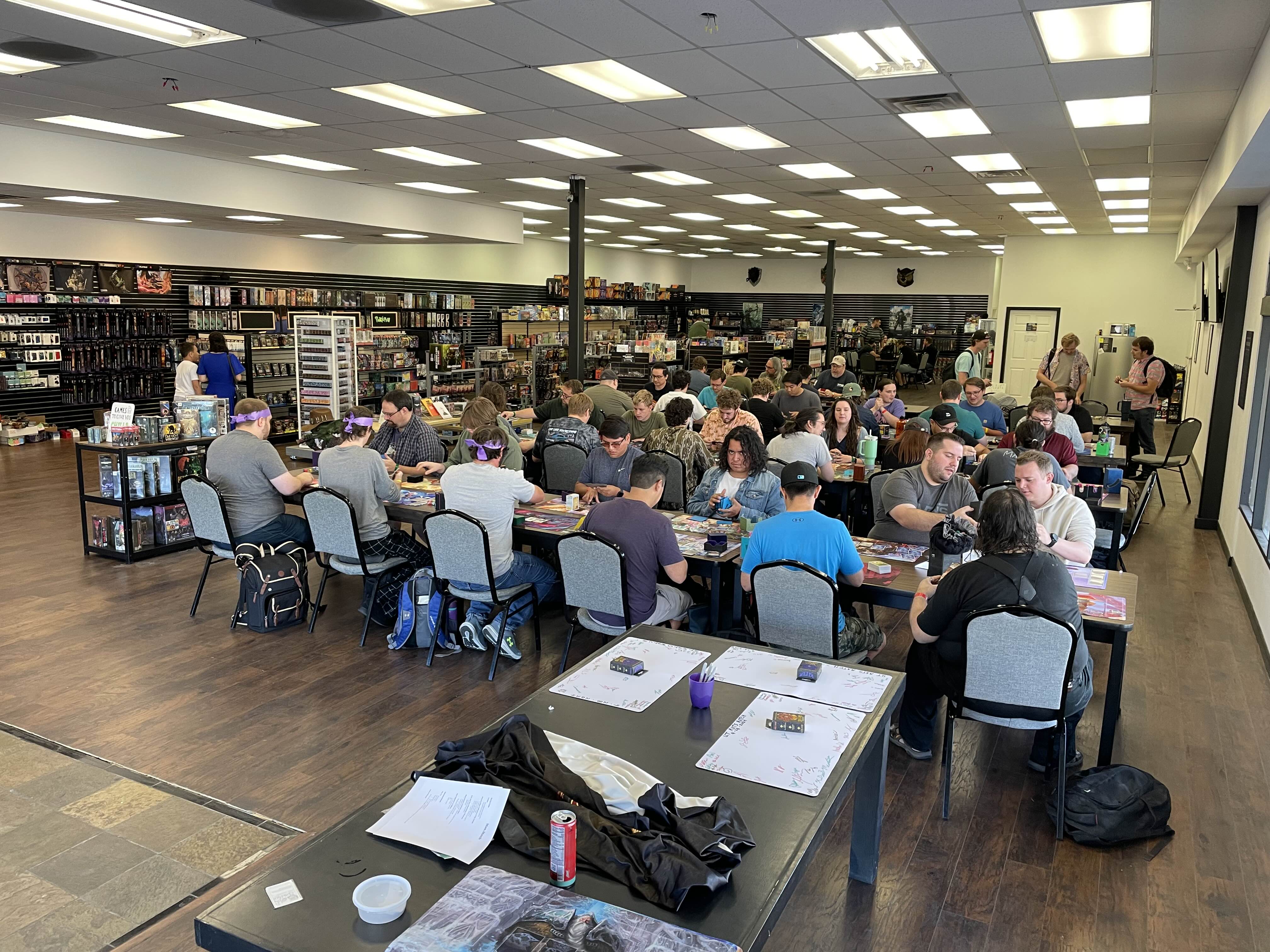
Featured Image by Alexis Susani. Pictures used in article provided by Damon Terry.




 English
  Japanese
  German
  Korean
  French
  Italian
  Spanish
  Chinese
  Portuguese